Sunday, February 28, 2016

Merging STEAM/STEM with Reading - Novel Engineering


This. Will. Change. Your. Life.

Merging STEAM/STEM with Reading...

by Engineering Solutions for Books!

So, you're students are already superstars at identifying the main problem of a story...but have they have had the chance to actually DESIGN & CREATE different solutions for those problems!? You need to do this with your kiddos.


This can be done with picture books like these....

Image result for blackout book


Image result for snowy day ezra jack keats


or novels  (even during literature circles!) like these...


Image result for hatchet book


Image result for stone fox


With this easy-to-use guide, your students will be identifying problems, brainstorming solutions, working collaboratively, MAKING, giving feedback, and improving their designs using the 5 EASY STEPS OF ENGINEERING DESIGN:


  1. Ask
  2. Imagine
  3. Plan
  4. Create
  5. Improve


Check out some of the creations that students came up!
An under-ground storage area!

A hover board!
A way to prevent forest fires!


The nitty gritty of it...


Sunday, February 21, 2016

Merging STEAM/STEM with Social Studies

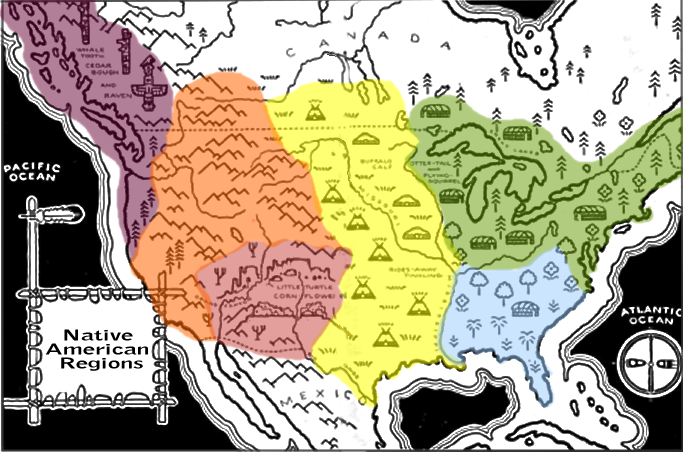
In our Social Studies curriculum students learn about the different Native American Cultural Regions, but students had a hard time internalizing and understanding the big ideas. To help students empathize with Native Americans and better understand how Native Americans relied on resources and adapted to their environments, they really needed a hands-on experience.


Here's how it went! 

We defined natural resources and I showed them a map of the United States. We discussed what we knew about the natural resources that can be found in these areas as well as possible environmental challenges. 

I then revealed that we were going to be designing a house to withstand these environmental challenges using only natural resources available. 

Cue the party music.


I split students into each Native American Cultural Region group and allowed them to read about what resources they would have available to them as well as which environmental challenges they would have to learn to adapt to. 

Purchase HERE!

I showed them the spread of goodies they would get to use: 


Please note that some of the materials don't resemble the natural resource (ie. tape = soil). The reason is that Native Americans used soil as an adhesive.   Also, if resources were "scarce," there was a limit to how much they could take, otherwise I did not limit them. 

AND...Cue the frustrations.

"WHAT?! We don't even get SOIL?!" 

"HEY! That group gets more resources than we do!!" 


Keep calm and use this as a teachable moment. 


Through this students will learn that based on where these Native Americans lived, they were limited to their surroundings. This helped them develop their culture. Plus, once students get to creating and problem-solving, they'll be all smiles. 


After students have ample amount of time to build, let them test! You can either have students come up with appropriate ways to test environmental challenges, or you can have tests pre-made. I had all materials sitting out which made testing pretty self-explanatory. 


After testing, provide students with time to share their designs with the class and reflect. Allow students to share feedback. An important part to the process is letting students actually make changes to their original design. Students should then go back and redesign then retest. I had students retest a different day. 


This lesson was not only a blast to do and watch, but students really did get the big ideas. We went to the museum later that month to see the Native American exhibit, and the connections made.....well...


Monday, February 15, 2016

SPARK Students' Interests by Bringing in Community Members


What better way to spark student interests than bringing in parents and community members!? 

We did just that at our school. I have always been inspired by Ted Talks, like these:

The Key To Success: Grit by Angela Lee Duckworth
Do Schools Kill Creativity? by Ken Robinson

I was inspired by Ignite Chicago's version of Ted Talks where people are tasked with the following:


I decided to bring it to our school. The plan was to have parents and community members come share short presentations (20 slides that advanced automatically every 15 seconds) to spark new interests in our students (see what I did there?) for Genius Hour! Andddd....it was AMAZING! We had 11 volunteers come share their passions, hobbies, and/or careers with our students. After about an hourlong presentation, I heard gaggles of students (and teachers!) say things like, "I want to be a pilot!" and "Maybe I should be a rock star?" and "That was SO cool!"...and it was! The plan is to turn it around and have some of our students do the SAME thing after their genius hour projects. Not only is it engaging, but it's incredibly challenging!

Our SPARK event was even featured in the Chicago Tribune! Check it out here: 5 Minute Lectures Highlight Careers
Here's the quick how-to:
  • Check with your principal and teachers. (We did 3rd-5th grade at our school.)
  • Create a quick poster like this:


  • Share it EVERYWHERE: Twitter, School newsletters, and more! I searched local businesses and even our local mayor's office (Yes! He came!) for contact information and sent out the flyer. We had a great response!
  • Make sure that all schedule changes (for Specials/etc.) are made.
  • Check with secretary about signing in procedures.
  • Get all the tech ready, including microphones and projectors!
  • It's SHOWTIME!
movie beetlejuice ready beetle juice its showtime\
  • Have kids write thank you notes afterwards.
  • After students complete their Genius Hour projects, look for volunteers who are ready for the challenge of presenting this way!


Monday, November 9, 2015

How Students Turned MISTAKES into MASTERPIECES!

How students may respond to a "mistake" prior to this activity:


How students will respond to a "mistake" after this activity: 


Showing students that making mistakes is okay one thing, but embracing them and seeing them as opportunities is something that takes practice!

Here's how our students changed their mindset: 

Download the Beautiful Oops activity here. There is a primary and intermediate version. Below shows the intermediate version. 

  • We reflected on the message through some close reading. 
  • We looked at things differently. 
  • 5. ...Then got a second opinion (cough..peer feedback...cough). 
 
  • After...we got CREATIVE! We added details to make our "mistakes" beautiful. We shared our masterpieces with peers and received MORE feedback! 
  • FINALLY, we reflected on the experience. 
BAM. In one 45 minute lesson, students practice the following Genius Hour skills: peer feedback, planning, AND reflection...with a little sprinkle of creativity.

Students had a blast turning these doodles into masterpieces. It made some students really shine. Here are some "after" photos of examples of what students came up with!


This one is unreal. If you look at it like this, it's a wolf...

But cover up the other side, and it's a bird! So creative!! 


Tuesday, November 3, 2015

Building a Library of Books and Ideas!

Building a Library of Books and Ideas...for Genius Hour!!!

Before diving into a Genius Hour project, we spent some time discussing a growth mindset, practicing brainstorming, problem-solving, and collaborating. We had students practice peer feedback, make their learning visible in different ways, and reflect in a variety of ways. 

Our book discussions and activities with have helped us practice these skills and expose us to new ideas!

                         
               Activity                                               Activity                                                 Activity              


               Activity                                                                                                               Activity

(and more!) 

Picking A Topic for Genius Hour

In one of our previous posts, we had students complete an A Lot, Some, Little chart after picking a topic. This year, we spent some more time playing around with different ideas before getting to that lesson. 

Students Considered Their Passions...

We had students list out their favorite activities and their passions. We had students use each other as resources when brainstorming different topics. This was a good way to build community within the classroom.

Image result for dogs happy

Students Considered Their Heartaches...

And...this was an even better way to build community within the classroom. Students can easily make connections when they hear that someone else plays soccer or another person likes to play Minecraft. But when you hear another student is afraid of talking in front of the class or another person gets worried about making a mistake...that...that is how you build community. Often, it's the things that cause us sadness, heartache, or anger that cause us to take action and do something differently. We had students think more about problems in their schools and communities that they wanted to tackle. We also had students follow their hearts and consider what makes their hearts swell, as well as what makes their hearts ache. Check them all out here! Not only did we find that our classroom became a little closer, but it also sparked some new topics for Genius Hour that may not have come about without these activities!

Image result for bachelor crying rose no


We want to send a big SHOUT OUT to the monthly Genius Hour Chat for introducing us to this idea! It meets on Twitter (#geniushour) the first Thursday of every month at 8pm central time. Find us there! #20percentgenius

Friday, October 9, 2015

What Do You Do With An Idea?


 Image result for real talk

As adults, there are times when we get nervous sharing an idea. We get nervous sharing at a staff meeting or sometimes put off a new way of doing something because it might not be perfect. 

At first, the idea seems perfect!...but then you start doubting yourself. What if it doesn't work? What if people don't like it...or worse...what if they laugh? There are times we push ideas away because of this fear...and sometimes, that causes regret. 
Image result for brave

We want our students to be fearless. To be brave. To make mistakes...and feel okay with that.

Our students need to hear those stories. They need to know that we have had the same feelings. Sometimes, it gets the best of us...and sometimes, we don't let it and instead, let our ideas grow!

What Do You Do With An Idea? is the perfect book to introduce this idea of getting anxious when we aren't sure how others will take our ideas. Not only does it talk about the feelings that bring us down when we feel like we can't share or build on an idea, but it also explains how thrilling it can feel to feed an idea and let it grrrooOOOOWWWW!


This is the book that you need to read with your kids before starting Genius Hour. Check out the lesson we did with it here!